
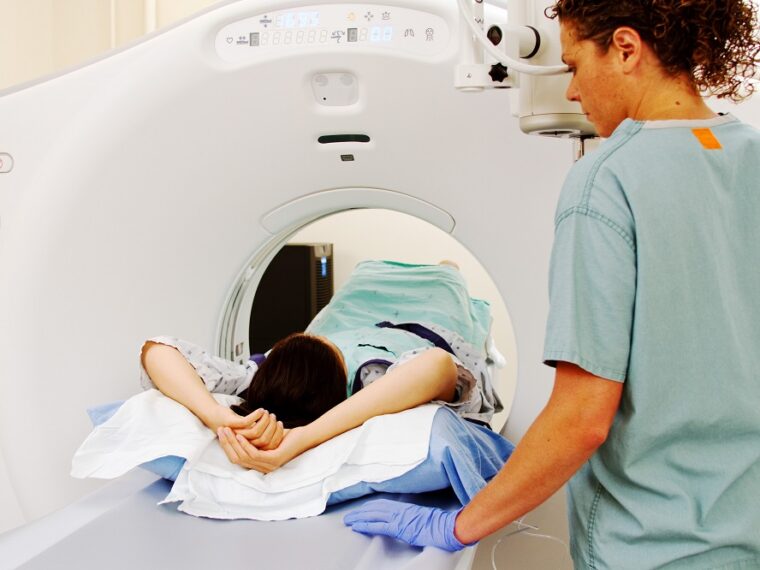
A growing interest in preventive healthcare has led many individuals in Dallas to explore comprehensive imaging options. Among these, whole-body MRI scans have gained attention for their broad diagnostic capabilities. While both the traditional and the whole body MRI scans use magnetic fields and radio waves instead of radiation, their purpose, scope, and application vary significantly. So it becomes vital to understand their key difference to make the right choice.
Scope Of Imaging
One of the most significant differences between a whole-body MRI and a regular MRI is the range of the scan. A regular MRI concentrates on a particular area of the body, e.g., the brain, spine, or knee. Usually, it is done to check up on a symptom, injury, or medical problem that a doctor has identified. However, a whole-body MRI aims at producing clear pictures of several organ systems within a single visit. This extensive view gives doctors the opportunity to look for very different types of disorders, which might not even manifest physically at all. Also, it is important to choose trustworthy centers like Papillion Longevity & Wellness to get the best care.
Purpose And Use Cases
Generally, traditional MRI scans serve diagnostic purposes. To be more precise, these recordings are conducted as a result of patient complaints of pain, injury situations, or local medical issues that need further probing. Such targeted scans furnish crisp visual illustrations of the problematic area only, and thus, they become practical means of detecting structural breakdowns, tumors, inflammations, and brain-related diseases.
In contrast to that, a whole-body MRI is mostly found in preventive or liquid healthcare settings. There is no question of pinpointing what is wrong with the patient, the device signals with higher odds a concern silently making its way into your body. Some of the scan findings may correspond to cardiovascular risks, cancer in the nascent stage, tissue wear caused by aging, or organs’ functional disorders. As a result of Dallas and other metropolises continuing to go towards preventive health trends, people are increasingly willing to pay for a whole body MRI as a means of understanding their overall health condition.
Time, Process, And Patient Experience
How the patient undergoes and perceives these different MRI methods also changes. A typical MRI may last from a quarter of an hour to three-quarters of an hour, depending on the body part. Restricting to one side of the body usually brings a shorter and more efficient working session.
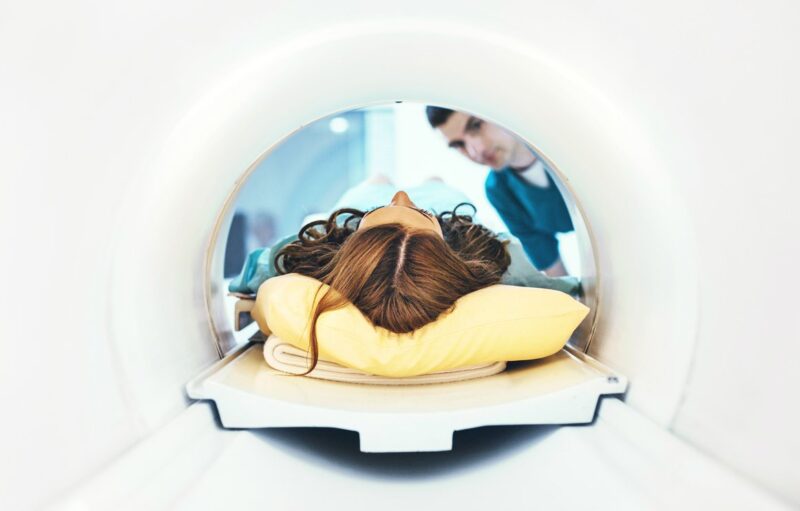
With a whole-body MRI, one is usually obliged to extend their time; the scan can take 60 minutes or a little bit more to obtain high-resolution images of many organ systems with
However, the patient is not exposed to any harmful radiation while lying inside the machine. Both styles of scanning will be difficult for people with claustrophobia, with the latter perceived as longer due to the wider area covered.
Diagnostic Output And Interpretation
Regular MRI procedures pinpoint detailed visual material of just one region, thereby letting doctors have a thorough look at the trouble that is somehow specific there. By referring to the images received, medical experts can make clinical judgments, draft operation outlines, and keep track of treatment progress.
Though a whole-body MRI has the capacity to gather information over a vast range of topics, the data is less in-depth. Besides, radiologists examine the healthy-looking parts as closely as they do the sick ones, thus spotting even a slight irregularity that may prompt next-directed scans or a specialist’s opinion. Hence, even if widely embraced, body MRIs are not meant to supersede traditional ones. Rather, they work as an additional instrument that facilitates the early recognition process and provides more profound insight into the patient’s condition from a holistic perspective.
Growing Role In Preventive Wellness
Given the growing focus on health span and preventive medicine, an increasing number of individuals opt for whole-body MRI examinations as an essential long-term health strategy. The local community of Dallas is characterized by such a trend, which corresponds well with the overall move towards proactive health enhancement and early recognition conventions. In such a situation, people are not only more interested in their health information but also more willing to utilize a technique that allows comprehensive internal check-ups without imparting any radiation.
Ultimately, understanding the differences between whole body MRI and traditional MRI scans empowers people to choose the approach best suited to their health goals.